
The Fair Treatment team was on the ground and in the room at all four days of the Drug Summit, listening to the community, contributing to the conversation, and taking notes – here is our recap.
Griffith, Day 1
Pre-Summit Meetings!

We hit the ground running, organising a dinner the night before with 15 people who had invites to the first day of the Drug Summit in Griffith, including people from Vinnies, Australia Drug Foundation, The Link Foundation AOD, Orana Haven Aboriginal Corporation and Directions Health. This was an opportunity to connect, caucus and reflect on each of our intersecting priorities for the big day.
What we Heard
The forum launched with a diversity of organisations and people in attendance – across the alcohol and other drug (AOD) sector, people with lived/living experience, politicians, police, legal centres and community service organisations. We started with a stellar panel, where Spencer Barberis of Murrumbidgee LHD championed the inclusion of people with lived and living experience in the room at the Summit and at every level of the AOD sector. Dr Hester Wilson reflected on the word resilience when describing people who use drugs “I hate that word – it places blame on the individual, not the system.”
After, we broke out into discussion groups, focusing on the below key areas:
- health promotion and wellbeing
- equity, respect and inclusion
- safety and justice
- keeping young people safe and supporting families
- integrated support and social services
Throughout the day, we heard criticisms about the inequitable rollout of the government’s Early Drug Diversion Initiative (EDDI), and praise for the ‘revolutionary’ fixed site drug checking service in Canberra, and the non-controversy of decriminalisation of possession and use in the ACT. Stigma was also a big point of discussion, how it leads to barriers in help-seeking behaviour, and compounding disadvantages for already marginalized communities, particularly First Nations people and people who live regionally.

Lismore, Day 2
The Day Before

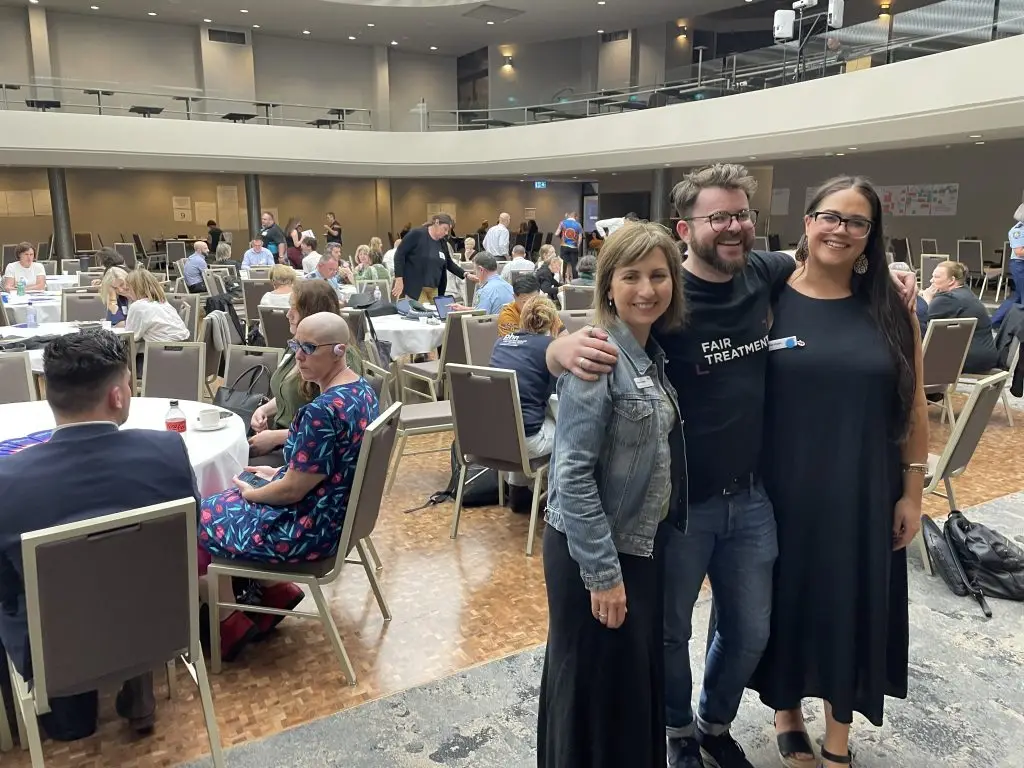
The night before day 2 of the Drug Summit we gathered 20 local leaders we’ve been working with in the region for dinner – another opportunity to connect and caucus about the big day ahead. It was wonderful to stand alongside and in solidarity with people we have been organising with for over a year now and support their calls for bold change.
Banner Time!
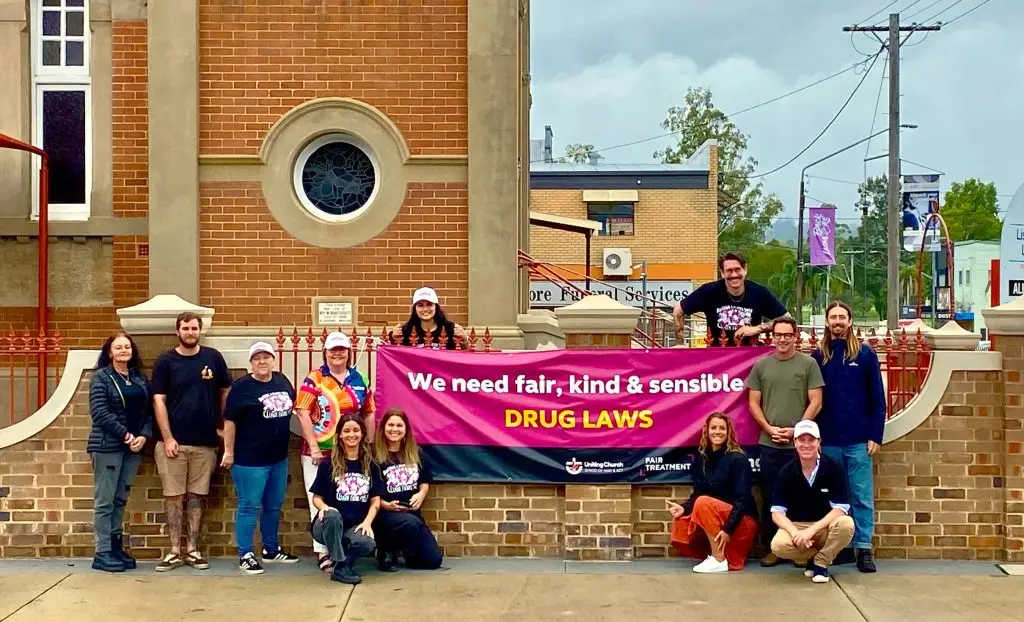
On Monday morning – just as the Lismore Drug Summit forum commenced, we hoisted a banner to the front of Lismore’s Regional Uniting Church (with their enthusiastic permission, of course!), calling for fair, kind and sensible drug laws. Members from Uniting’s Recovery Support Services (RSS) in the Northern Rivers gathered for a team photo (pictured below) supporting the message on the banner. In our discussions with our colleagues from RSS, they have talked about the lingering trauma in the community from the devastating floods in 2022 and the dire need for a dual diagnosis treatment service for the region and more harm reduction measures including a supervised injecting space. The Fair Treatment team brought these issues and needs into the room at the Lismore Drug Summit Day.
What We Heard
Many of the issues outlined by those who attended day one of the drug summit in Griffith were echoed by the people from Lismore and the Northern Rivers region. As our RSS team had described to us, people in the room at the Drug Summit also reflected on the ongoing trauma being felt right across their community after the floods in 2022, with many people having either started or returned to using drugs to deal with their pain. Intersecting issues of housing and homelessness, the cost of living and mental health crises was also an issue brought to the fore.
Regional Panel

During a panel discussion highlighting regional issues, Dr Trish Collie referenced a recent survey they’d undertaken with people who use drugs in the region, finding that the biggest barrier to treatment was stigma. While Deputy Commissioner Dave Waddell said that what he hopes comes out of the summit is more diversion programs and improvements to these existing programs.
Key Insights
And this was reiterated throughout the day: our laws need to be changed – they underpin every one of the focus areas the Summit has chosen to centre – not just safety and justice. The current laws, bundled with stigma, fear of discrimination and judgement are key barriers when it comes to seeking help, along with a lack of integrated support services and treatment options, particularly in regional areas. There were calls for more supervised injecting spaces and establishing dual diagnosis treatment services for drug dependency and mental health issues in NSW and in the Northern Rivers.
Funding Announcements for the Regions
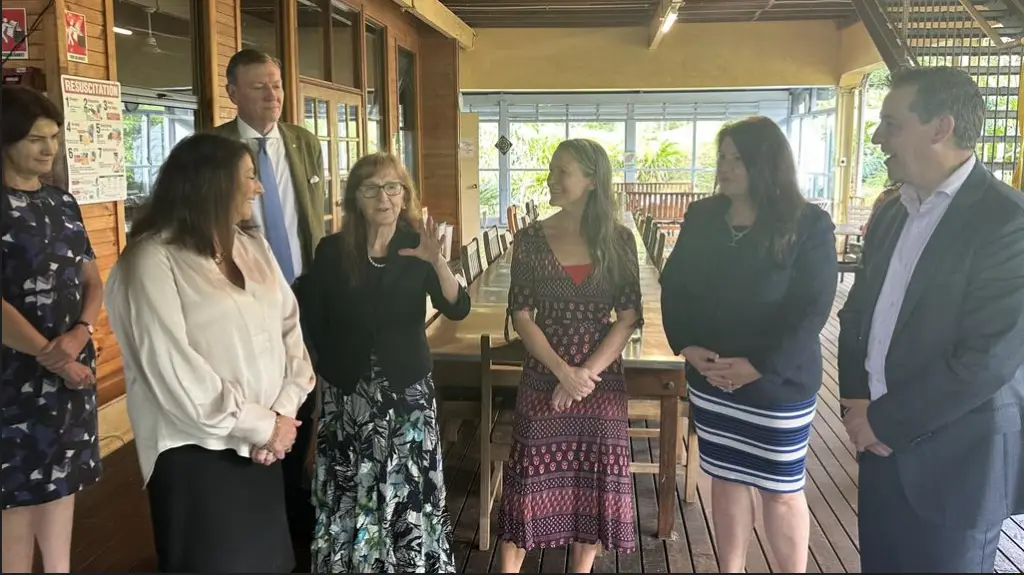
At the end of each day Health Minister Ryan Park announced funding for both of the regions.
Griffith and South West NSW: $9.8 million for treatment services in Murrumbidgee as Drug Summit begins in Griffith
Lismore and Northern NSW: $21 million for alcohol and drug services in Northern NSW.
Sydney, Day 3
Both Sydney days had keynote speakers live streamed – you can watch the proceedings here.
The Opening Address
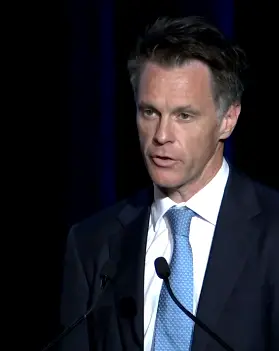
The NSW Premier, Chris Minns, Opened the Summit in Sydney where he welcomed the participants.
He highlighted the power of the 1999 Drug Summit to accomplish bipartisan reforms, including the implementation of the Medically Supervised Injecting Centre (MSIC).
Within his speech, he also unfortunately used stigmatising language, described unhelpful tropes and emphasised narratives about people who use drugs that eliminated the complexity and breadth of people’s experiences.
The morning sessions
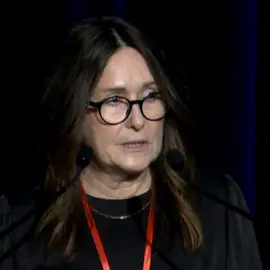
Dr. Annie Madden: A participant in the 1999 Drug Summit, she gave a powerful speech about her experience with horrific stigma at the 1999 summit for sharing her lived experience story. She reminded us that out of 172 recommendations from 1999, the only three not supported were law reform measures—showing just how much work is still needed. She called on the need for full drug decriminalization, drawing applause from the room.
Associate Professor Amy Peacock: Spoke about changing drug trends and the success of treatments like Opioid Agonist Therapy, which saved over 4,000 lives last year. She also highlighted the unmet need for amphetamine-related treatments and the shift towards more effective, less punitive responses.
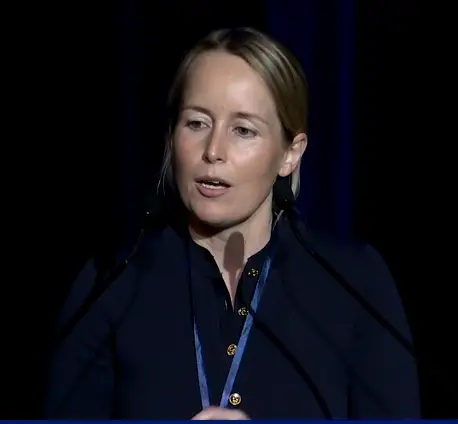
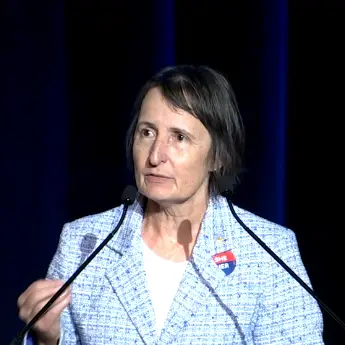
Professor Maree Teesson: Called for bravery in funding harm prevention for young people, emphasizing that it works and is cost-effective, despite the lack of investment.
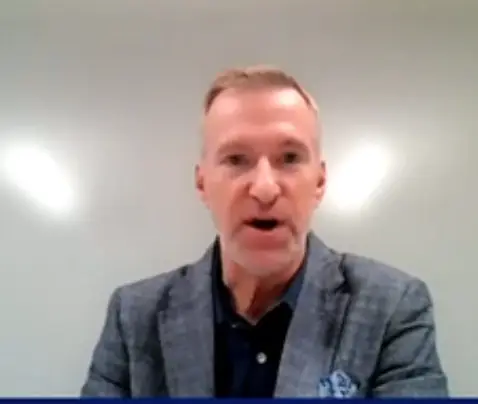
Mayor Ted Wheeler: Shared lessons from Oregon’s decriminalization efforts. He highlighted how compassion drove the policy but explained how a lack of funding for essential services limited its success.
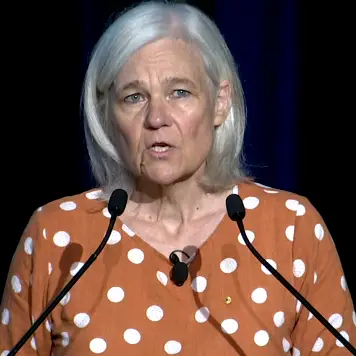
Professor Don Weatherburn and Professor Allison Ritter: Both stressed the importance of evidence-based policies. Allison emphasized that treatment works and criminal charges don’t change behaviour. She urged the group to focus on policies that reflect compassion, inclusivity, and shared values.
Key Insights from the morning panel:
- First Nations people make up 1 in 4 seeking treatment.
- Removing police discretion from the drug possession diversion scheme received a loud applause from the audience
- Our drug laws were called out as fundamentally racist for their disproportionate impact on First Nations communities.
- There’s a strong need for better funding for treatment and harm reduction.
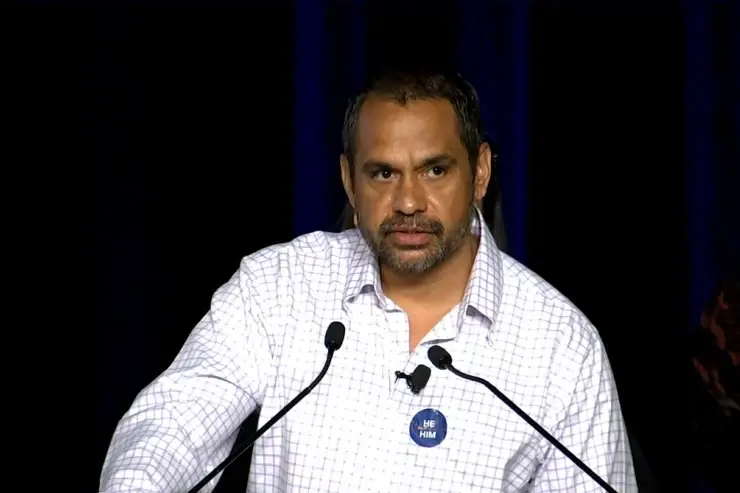
There were no First Nations representation on the panel. As the audience and panellists called this out, the co-chair pulled Michael Doyle from the audience and onto the stage.
Here’s the team!
Outside the Drug Summit, some members of the Fair Treatment team and the Reference Group of people with lived and living experience gathered to show support and solidarity with the people in the room at the Drug Summit and shoot some social media for our pages. We nabbed a photo with the brand spanking new Fair Treatment t-shirts outside the ICC!

Pushing Back

At 3pm, Health Minister Ryan Park and co-chairs Carmel Tebutt and John Brogden had a press conference where Ryan stated repeatedly that the government did not have a mandate on decriminalisation. The moment it concluded, Emma, Marianne and Jon Owen, CEO of The Wayside Chapel, stepped up to the mic for an impromptu press conference of their own – delivering a blistering rebuttal, while reminding Ryan to listen before he rules anything out.
Lived Experience Stories
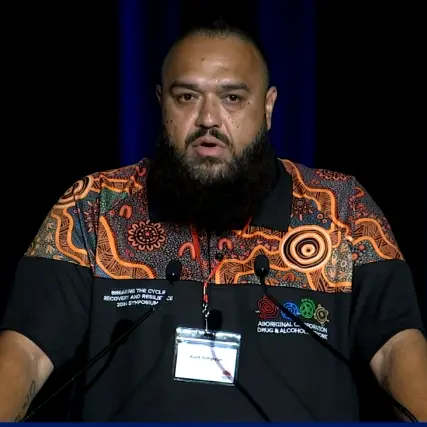
Kurt Simpson, a proud Gamilaraay man from the Aboriginal Corporation Drug and Alcohol Network, told a harrowing story of his lived experience of drug use and dependency.
It was a tough listen- but an important story of how support and connection to culture can transform lives.
Sydney, Day 4
Both Sydney days had keynote speakers live streamed – you can rewatch the proceedings here.
Opening Statement
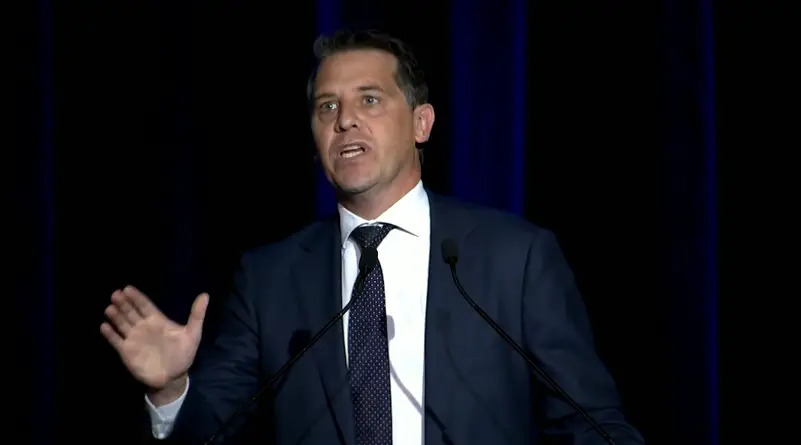
Health Minister Ryan Park began the day by speaking of his experience and responsibilities as both the Health Minister and as a father. He talked about wanting to be challenged, and that over the four days of the Drug Summit, he has been.
He stated that there are ‘no guardrails’ on the report which will come out of the Drug Summit, and there will be an engagement and review of the report in a timely manner.
He reiterated a call for policy that is compassionate and supportive of people who use drugs, their families and communities.
Reflections on the Ice Inquiry
Next up was Professor Dan Howard, the commissioner of the Ice Inquiry, reflecting on his experience of the process. He asked poignantly “how long will it take, and how many times will we have to listen to those with lived experience before we act to address the issues?” He was part of the choir of voices that urged the government to commit to decriminalisation. In response to the Mayor of Portland yesterday, he stated “Do not say no to decriminalisation because of Oregon – say yes because of Portugal”.

Lived Experience Stories
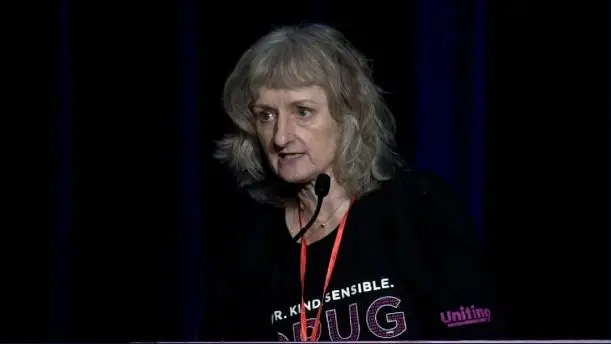
Megan Moses, a member of our Fair Treatment Reference Group spoke about her experiences, describing stigma as the “cement” that holds our unfair systems in place. Although some services have been developed over the 30 years of her drug use, the pervasive impact of stigma on her life has remained largely the same.
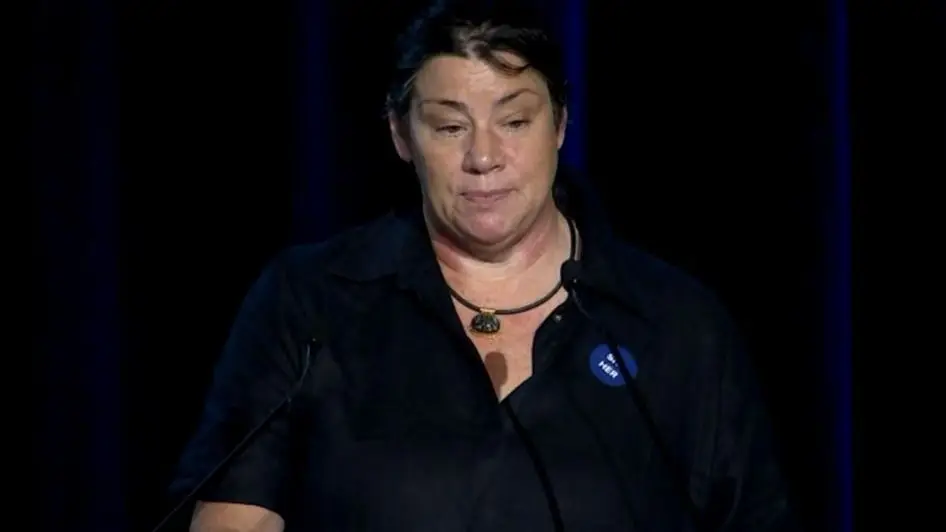
Mary Harrod, CEO of NUAA then followed with her own story of lived experience, and how her experience of being supported and being a peer worker transformed her life. She highlights this peer work as fundamental for tackling stigma and making the health care system more responsive to the needs of the community.
Participants then returned to their working groups to discuss the recommendations that had been pulled together throughout the previous sessions. The recommendation lists for each group was long. But the elephant in the room was clear – decriminalisation was a word the government was unwilling to say directly, instead couched in vague language such as “legislate to reform”.
The Recommendations
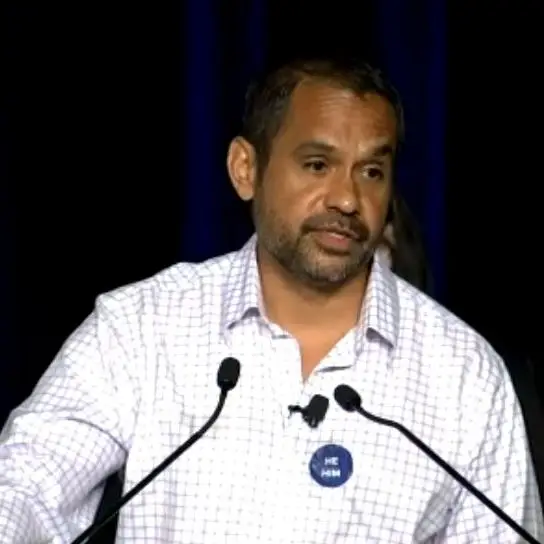
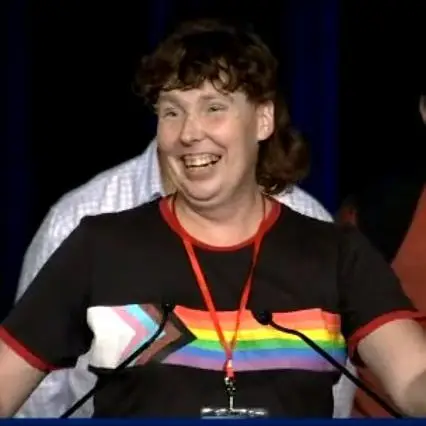
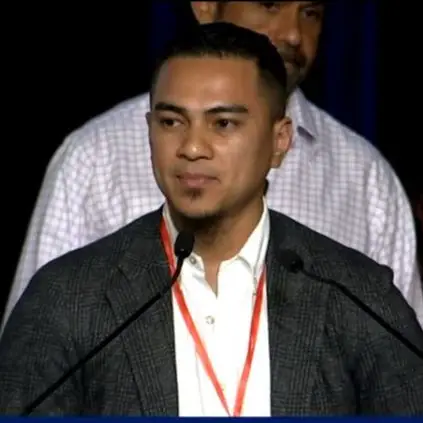
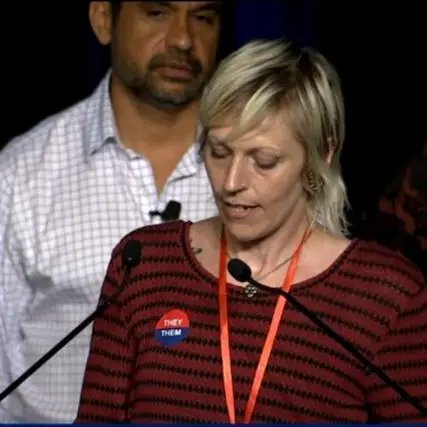
After a late lunch break, the working groups came back to report on their recommendations.
The report backs were filled with powerful emotion. Members of the culturally and linguistically diverse community, First Nations community and LGBTQI+ community expressed that there was a crucial failing in the way that the drug summit was developed– not only were these communities last to be thought about in these processes, but there was not a safe space provided for truth telling. They did not vote on recommendations due to the lack of cultural safety.
There was a strong call from leaders for a First Nations Summit, where the community can talk directly about the issue, and a specific First Nations drug and alcohol strategy that addresses the intersecting issues.
Photo Gallery


