Statement from Fair Treatment
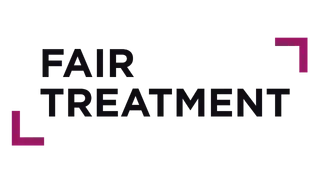
Like many of our Fair Treatment partners and organisations in the sector, we are disappointed in the results of the recent NSW Budget, with no funding announced for the AOD sector or to implement the Governments Drug Summit commitments.
Across Australia, overdose deaths have reached the highest number on record according to the recent overdose snapshot by Penington Institute. Seven people are dying every day. Every one of these overdoses is entirely preventable and represents a person who should have had a better chance to get support before it was too late. Alarmingly, NSW is recording the highest number of overdose deaths in any Australian jurisdiction. In this worsening crisis, the NSW Government must urgently invest in the AOD services that reduce harm and keep people safe. And it must address the needs of the more than 100,000 people who are seeking treatment, but are unable to access the help they want.
This year’s budget was a missed opportunity to show it had heard the sector loud and clear at the Drug Summit and take meaningful action on the recommendations. We have yet to see any movement on key commitments including a Whole of Government Drug and Alcohol Strategy and reforms to the Early Drug Diversion Initiative or the 50 other recommendations in the report that the Government supported.
The Government has a clear mandate for change – what is needed now is action. Our Fair Treatment campaign will continue to advocate for the reforms that we know will help keep the people we love safe, including reforms to our drug laws, expansion of life-having harm reduction service, increased investment in treatment and an end to drug stigma.
Release from The Network of Alcohol and Other Drugs Agencies (NADA)
The Network of Alcohol and other Drugs Agencies (NADA) has criticised the NSW Government for failing to deliver critical funding to alcohol and other drug (AOD) services in today’s State Budget.
NADA CEO Dr Robert Stirling said that despite clear evidence and priorities set out by the 2024 NSW Drug Summit, this failure to act raises the question: Why did the NSW Government bother holding the Drug Summit?
“The NSW Government has missed a critical opportunityto act on the Drug Summit’s findings,” Dr Stirling said.
“Today’s Budget categorically fails to address the growing demand for AOD treatment and support in NSW, while more than 100,000 people in our state are seeking treatment but are unable to access the help they need.
“Without investment, the Drug Summit recommendations remain unfulfilled and a growing number of people are stuck on waiting lists.
“We can’t help but think that the Drug Summit was simply window dressing, rather than a genuine attempt to reform key policy gaps.”
NADA’s 2026–27 Pre-Budget Submission called for an additional $13 million per year over five years to strengthen the NSW non-government AOD sector.
The sector plays a critical role in delivering treatment, harm reduction, and ongoing care across more than 150 locations, including in regional and rural communities. However, services are under increasing pressure due to rising demand, client complexity and workforce challenges.
NADA said the Budget does not reflect the urgency or scale of action recommended by the Drug Summit, particularly the priority to significantly increase funding to address unmet need and client complexity.
“Our sector is delivering strong outcomes for people, but we cannot continue to meet demand without appropriate and sustained funding,” Dr Stirling said.
The Buttery CEO and Chair of NADA Leone Crayden said the Budget is a missed opportunity to respond to clear evidence and community expectations.
“Regional NSW continues to experience significant service shortages. Without sustained investment in treatment, workforce development and community-based supports, many people will continue to miss out on the help they need,” Ms Crayden said.
“”Investment in alcohol and other drugs treatment is not simply a health expenditure, it’s an investment in stronger families, safer communities and better long-term outcomes across health, housing, justice and social services.”
Data from the sector shows that 80% of people accessing treatment reduce or cease their AOD use, alongside significant improvements in health and wellbeing.
NADA also warned that the Government has failed to deliver a new, comprehensive AOD strategy within the timeframe flagged in response to the Drug Summit, leaving NSW without an overarching strategy to guide reform.
“It is deeply concerning that NSW still does not have a current, whole-of-government AOD strategy in place,” Dr Stirling said.
“NSW has not had a public strategy to guide investment, reform and coordination across the sector for more than 15 years.
“Without a strategy, there is no clear plan to implement the Drug Summit recommendations, no roadmap for reform, and no accountability for outcomes.”
NADA is calling on the NSW Government to work with the sector to implement the Drug Summit recommendations and ensure that future budgets include the necessary investment to expand access to care.
“The NSW Drug Summit created a clear mandate for reform,” Dr Stirling said.
“This Budget should have been the Government’s moment to act, instead, it has failed to deliver.
“We remain committed to working with Government to ensure people in NSW can access the care they need, when they need it.”
To read more about NADA’s policy positions and recommendations to Government, visit nada.org.au/nsw-drug-summit-2024
Media Contact: Billy Briggs | 0474 697 235 | billy.briggs@h-advisors.global
About NADA
The Network of Alcohol and other Drugs Agencies (NADA) is the peak organisation for the non-government alcohol and other drugs sector in NSW. We represent 87 organisational members that provide services in over 100 locations across NSW. They provide a broad range of services including health promotion and harm reduction, early intervention, treatment and continuing care programs. Together, we improve the health and wellbeing of people who use, or have used, alcohol and other drugs across the NSW community. For more information, please visitwww.nada.org.au.